Describe the house. Watch the work appear.
Atelier is a design assistant for architects and interior designers. You describe a project and it works through it with you, one visible step at a time, carrying a brief towards a model, drawings, renders, boards and a web page. It runs on your own computer, so your drawings stay in your office.
The preview ships part of the workflow below, and the rest follows as each piece is proven. The source and the quick-start guide will be linked here on launch day.
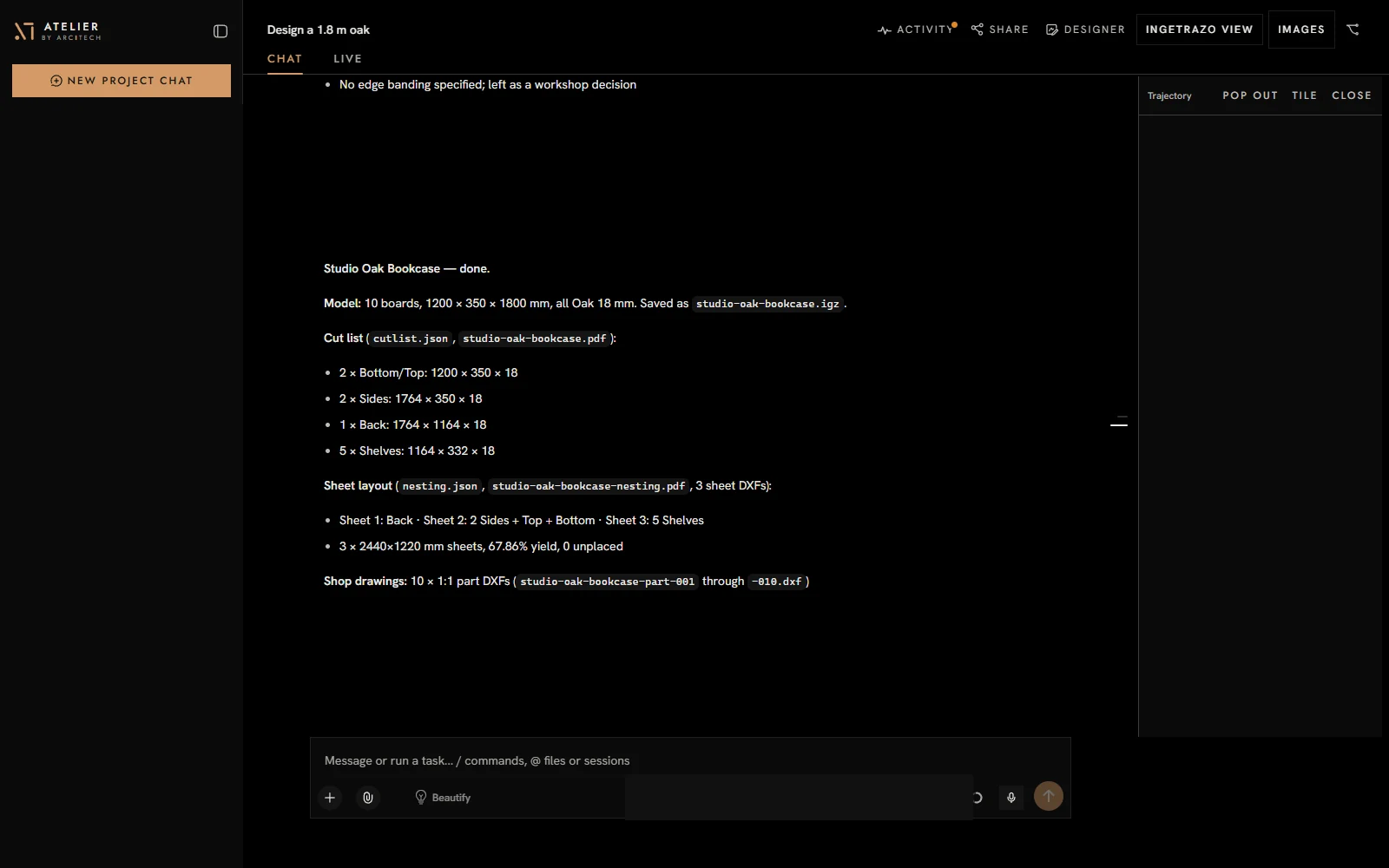
Made for designers
- 01
Architects
From a written brief to a first model, plans and a board you can talk a client through.
- 02
Interior designers
Plans, moodboards and views kept consistent with one another, room by room.
- 03
Students and small practices
A studio assistant that costs nothing to use and runs on a computer you already have.
From brief to board
- 01
Brief
Your brief becomes a to-do list you can read and change. Nothing is guessed in one go.
- 02
Model
With IngeTrazo connected, the house is modelled step by step and stays visible while it is built.
- 03
Drawings
Plans and elevations are drawn from the model and styled for presentation. The geometry never moves.
- 04
Renders
Exterior and interior views are made from the same model, so they match the drawings.
- 05
Wind
When you ask, a wind study is laid over the render so you can see how air moves around the building. It is early design guidance, not engineering.
- 06
Board and web page
Everything is composed into a presentation board and a web page you can share.
The work, as it appears
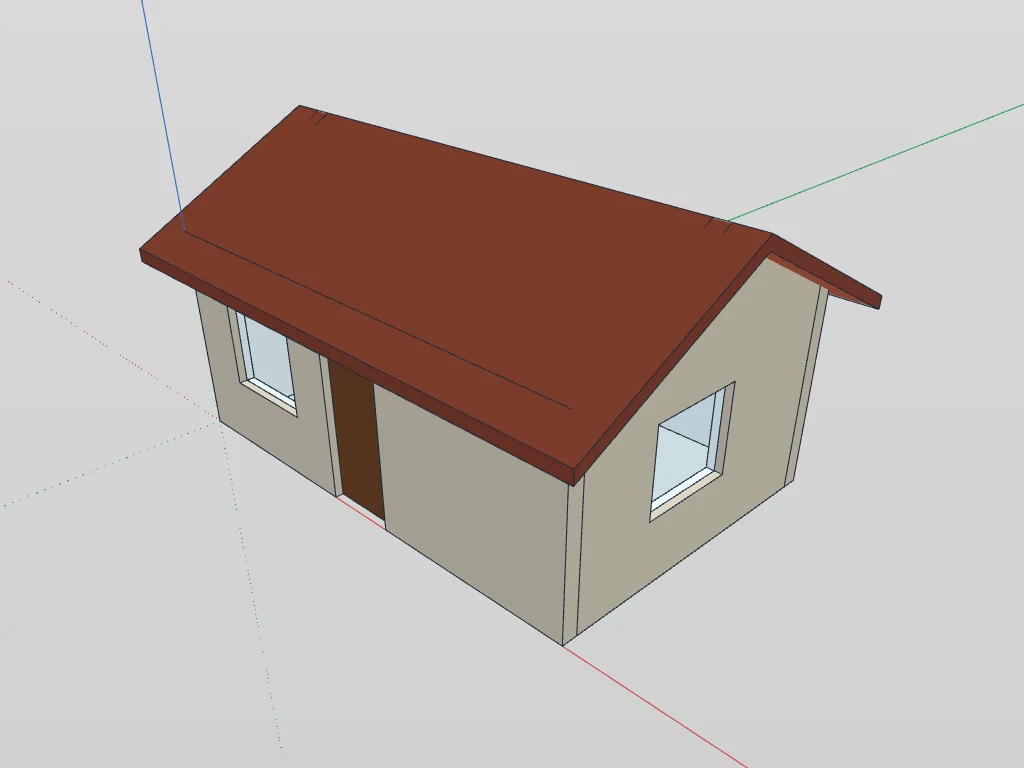
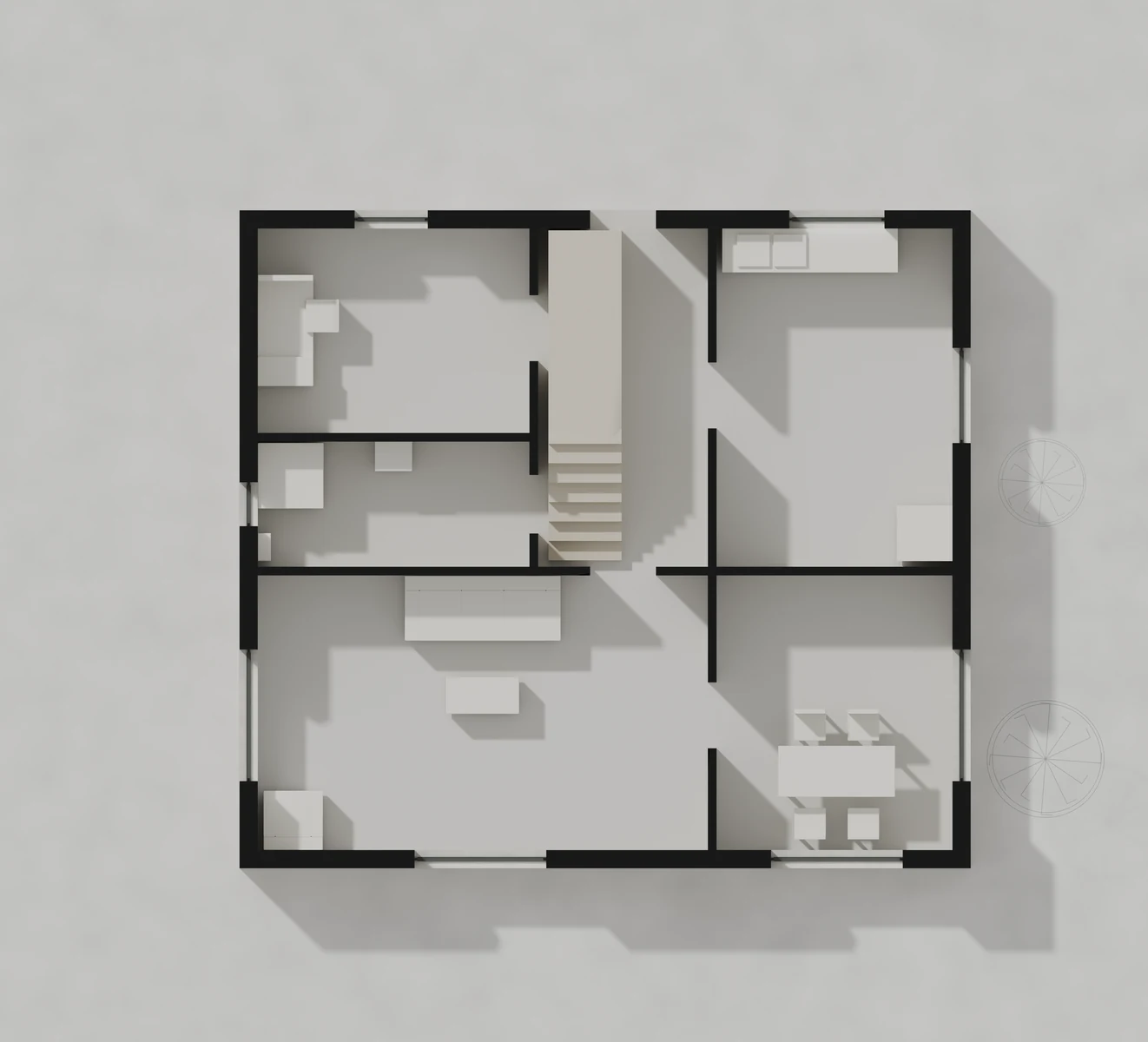
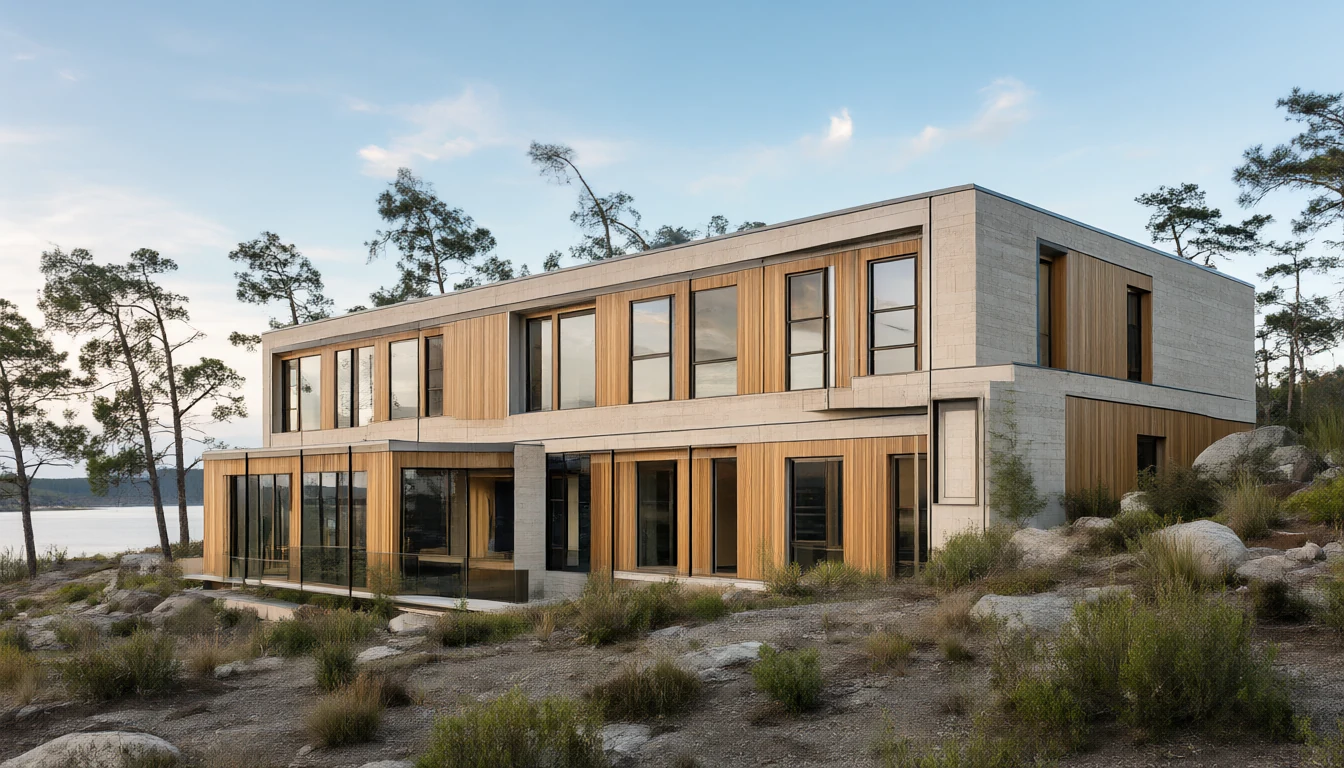
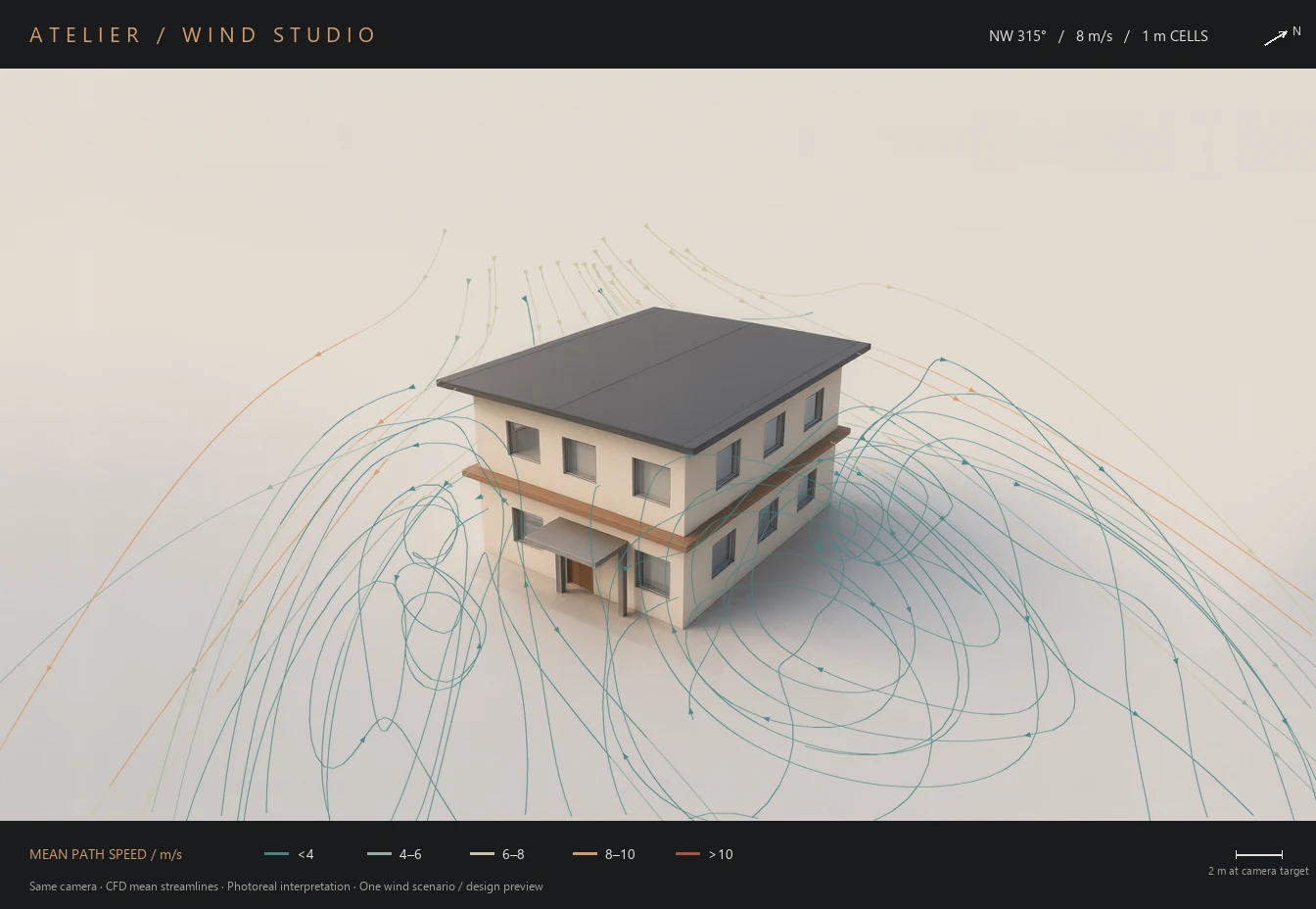
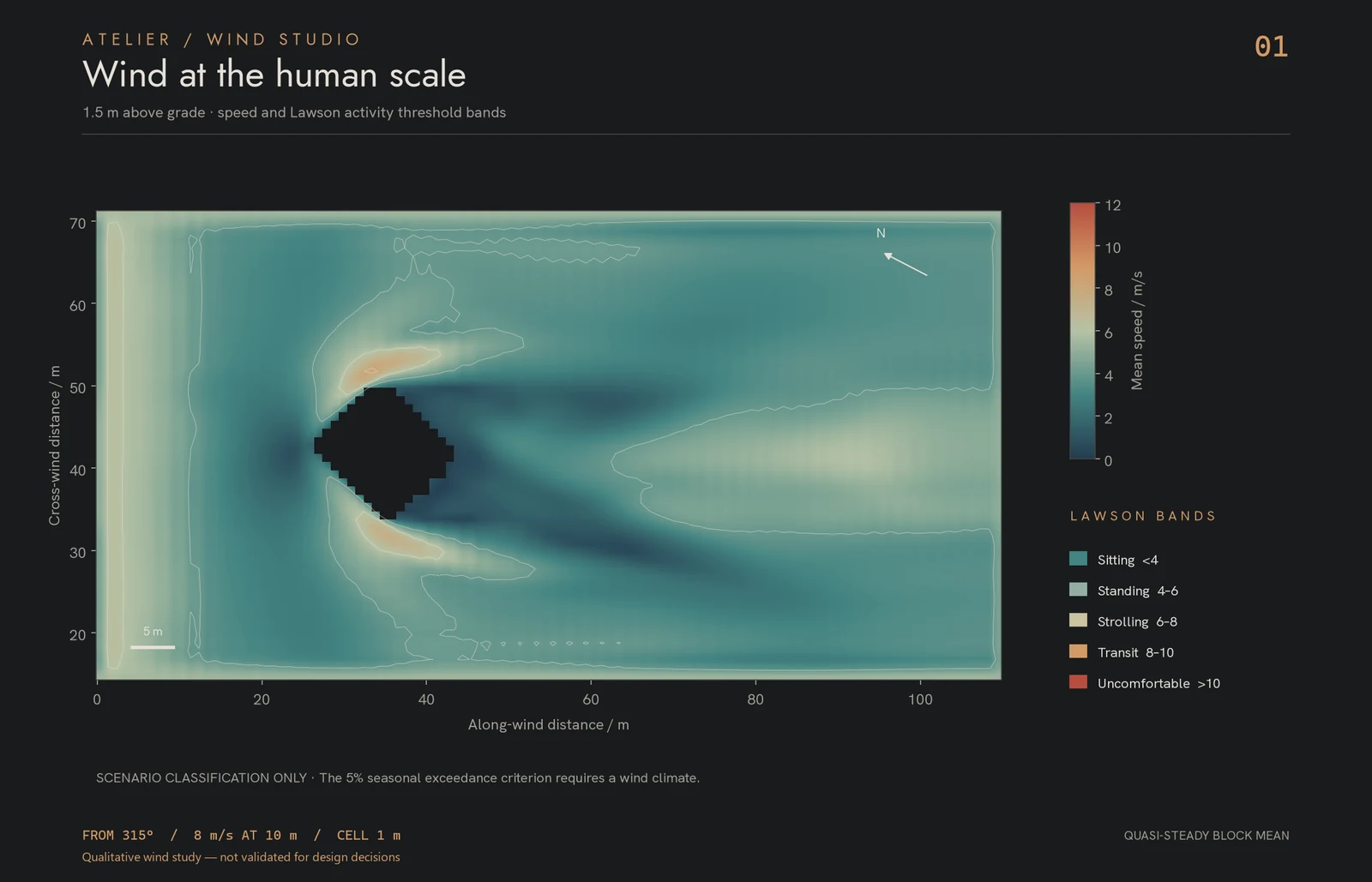
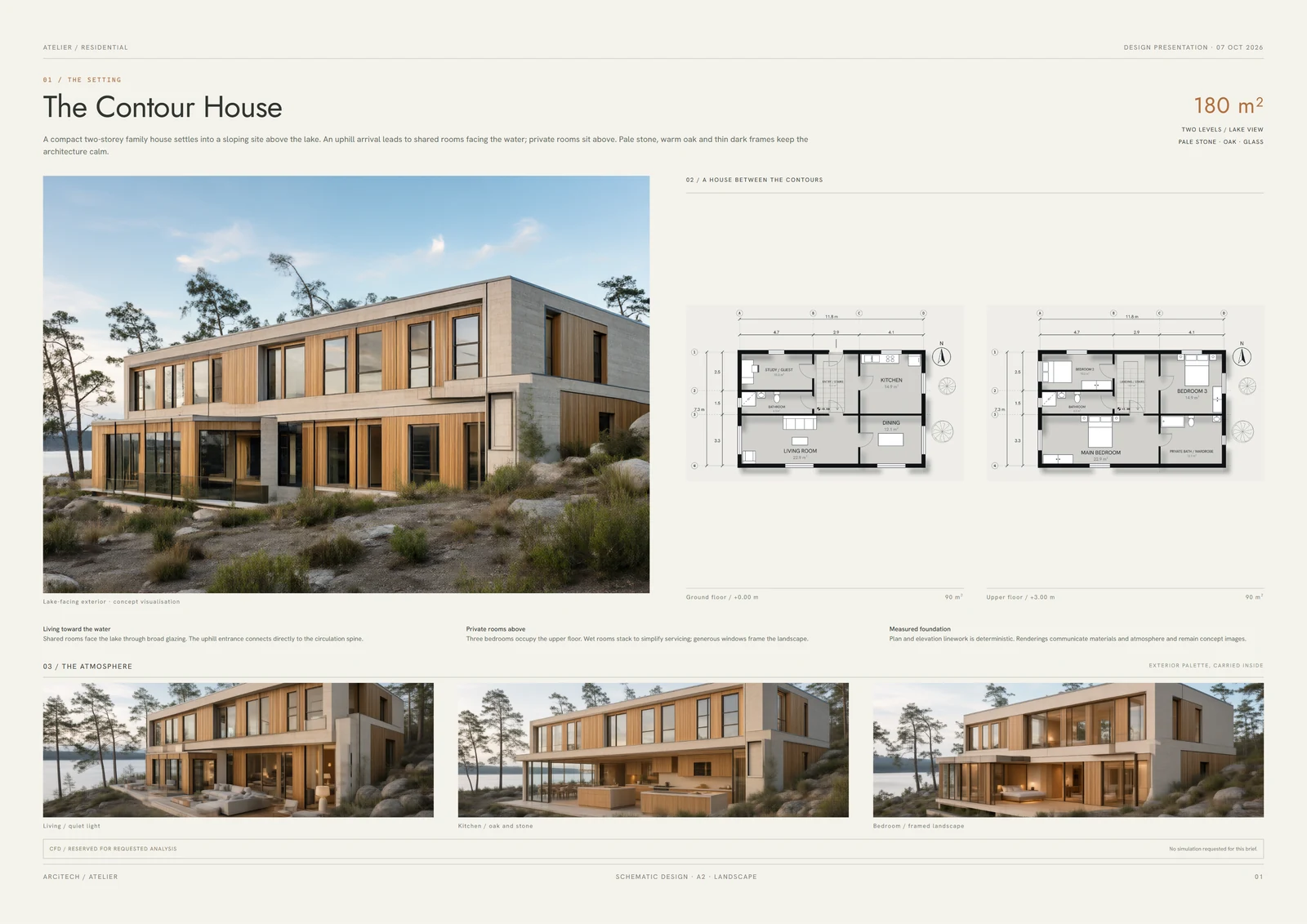
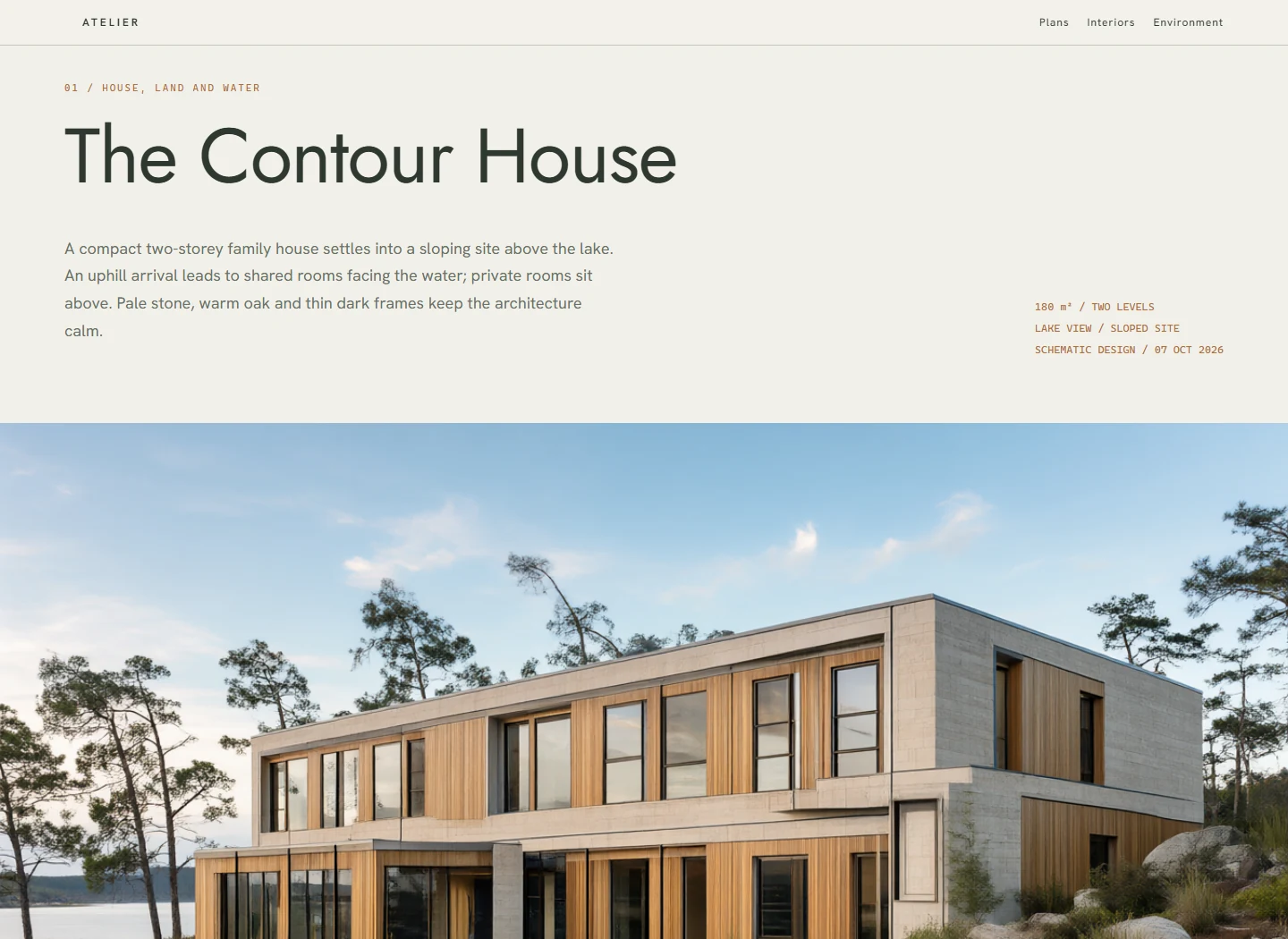
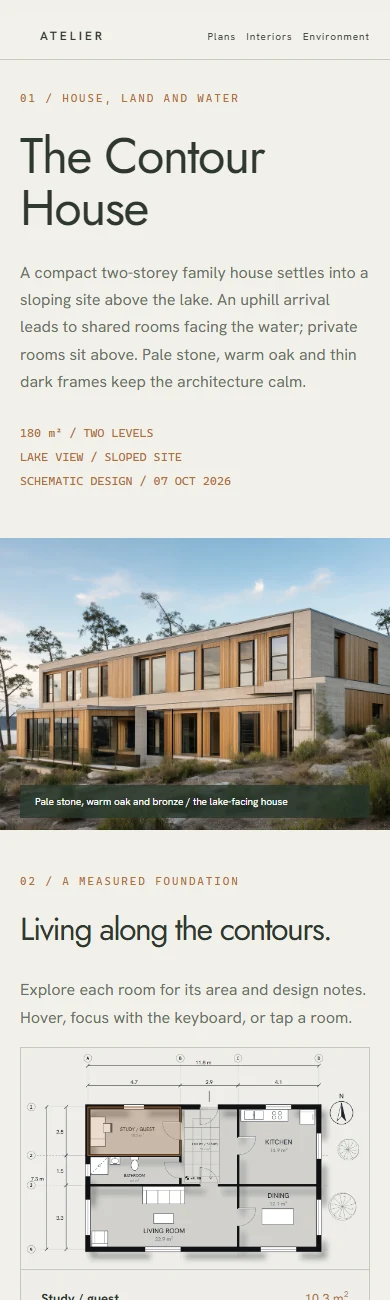
These frames are from Atelier’s studio build on a sample project, The Contour House, and newer ones will replace them. Renders are work in progress, and wind studies are early design guidance only, not engineering. The public preview ships a smaller, defined set of tools, listed below.
Built for the studio
- 01
You stay in charge
Every step is on screen. You can stop, change the plan or take over the software at any time.
- 02
Local first
It runs on your own hardware, so your work and the people you work for stay with you. A cloud model is there if you want one, never by default.
- 03
Made for designers
Built for architects, interior designers and students, with an interface that follows the way a studio works.
- 04
Open and credited
Atelier is built on DeepSeek Harness by DeepSeek-AI (MIT licence), and we say so wherever it appears.
What you get
- 01
Vitruvius
The profile that ships with the preview: a general design assistant, with the stock profiles from the harness alongside it.
- 02
IngeTrazo, optional
Atelier can work in IngeTrazo, the open-source architecture modeller by Marco Sumari Tellez and contributors (GPL-3.0-or-later), through the AT bridge. IngeTrazo is installed separately and is never bundled with Atelier.
- 03
Documentation
A README, a quick-start guide, full credits and the licence, all published with the release.
Not in the preview: the Android app, plugin uploads (Trazo Fabrication first), and the complete presentation workflow of renders, wind studies, boards and web pages, which still needs more testing. They follow as each part is proven.
What you need
On your own computer
Atelier runs as a web app on your machine, with the model on your own graphics card, so nothing has to leave your office. We build and test it on one 32 GB Intel Arc Pro B70 running a 27B vision model.
Through the cloud
No suitable graphics card? Point Atelier at a cloud model instead: OmniRoute’s free tiers, or your own API keys. Your prompts and images then go to that provider, so choose it as you would any other service.
Any model you like
Atelier is model-agnostic. Change the model at any time without changing how you work.
Atelier does not include or require any particular model. Connect the one you prefer through any OpenAI-compatible endpoint; it is tuned for Holo-style models.
In plain words
Atelier is released under the PolyForm Shield 1.0.0 licence. In plain words: it is free to use and to change, for yourself, your practice and your client work. What it does not allow is reselling Atelier, or using it to build a product that competes with it. The full text ships with the source.
See how the pieces fit
A short presentation of the roadmap and how the pieces fit together.
The presentation is being finished. It will be published here when it is ready. coming soon
Atelier is built on DeepSeek Harness by DeepSeek-AI (MIT licence). The source opens with the public preview on 12 October 2026, and this page will link to it then.